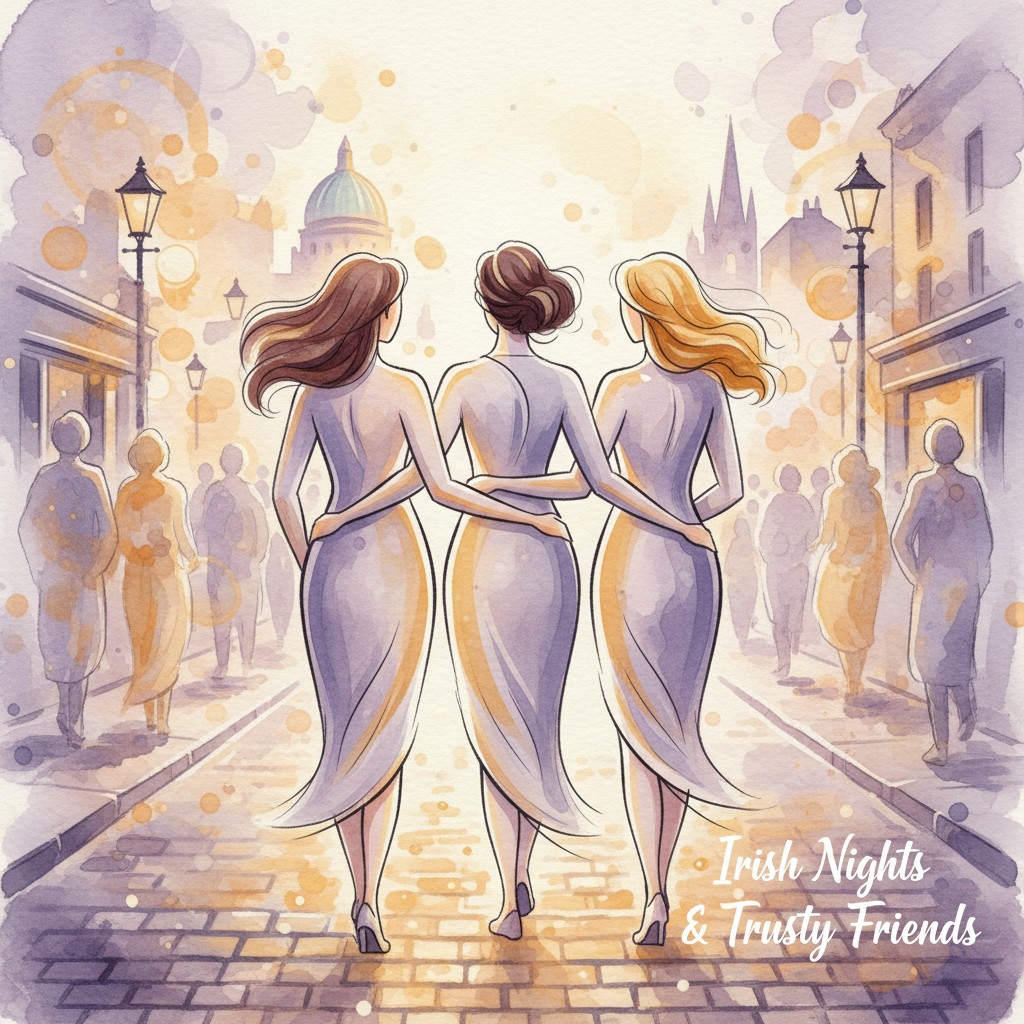
Night Out Safety in Ireland: Avoiding Drink Spiking and Getting Home Safe
A great night out should end with good memories, not panic. Whether you are heading to the pub in Cork, a late club in Dublin, or a festival in Galway, a few smart habits can dramatically reduce your risk and help everyone get home safely. This guide is built for real night out safety Ireland situations: crowded bars, busy taxi ranks, dead phone batteries, missed friends, and those moments when something just feels “off.”
No advice can remove risk entirely, but preparation, awareness, and quick action can make all the difference. Share this with your friends before your next night out and treat safety as part of the plan, not an afterthought.
Why night out safety in Ireland matters more than ever
Ireland has a strong social culture centred around pubs, live music, sporting events, and city nightlife. Most nights are harmless fun. But drink spiking incidents, harassment, theft, and unsafe journeys home do happen. Risks increase when venues are crowded, people are intoxicated, and transport options become limited after midnight.
The key point: personal safety is not about fear, blame, or “ruining the craic.” It is about giving yourself options. If something goes wrong, the people who prepared are usually able to react faster and protect themselves and their friends.
Before you go out: set up your safety baseline
1) Plan your journey home first
Decide before drinking how you will get back. In many Irish towns, late-night transport is patchy, especially midweek. Make a realistic plan:
- Check last bus/Luas/DART times in advance.
- Save money for a taxi as a backup.
- Identify a well-lit pick-up point near your venue.
- If you are with friends, agree whether you are all leaving together or splitting at a specific time/place.
2) Charge your phone and set emergency basics
- Charge fully and bring a small power bank if possible.
- Enable location sharing with a trusted person for the night.
- Set emergency contacts in your phone.
- Keep your phone unlocked options simple (Face ID/PIN ready, not forgotten after drinks).
3) Share your plan
Send one message in your group chat: where you are starting, where you might go later, and your likely route home. This takes 30 seconds and helps massively if someone goes missing or uncontactable. If you're meeting someone new, review our first date safety checklist for additional precautions.
4) Carry essentials, not your whole life
- ID, one payment card, some cash, keys, and phone.
- Avoid carrying all your cards/documents in one wallet.
- Keep valuables zipped and close to your body.
In pubs and clubs: practical habits that reduce risk
Watch your drink from pour to finish
This is one of the most important rules for night out safety Ireland planning:
- Buy or collect your own drink whenever possible.
- Watch it being made/opened.
- Do not leave drinks unattended (even “for one minute”).
- If you lose sight of it, get a new one.
- Avoid sharing open drinks.
If someone you do not know insists on buying multiple drinks, pushes shots, or keeps trying to isolate you from your group, treat that as a warning sign.
Know possible signs of drink spiking
Drink spiking symptoms can vary and can overlap with normal intoxication, which is why incidents are often missed. For more detailed information on recognizing and preventing drink spiking, see our comprehensive guide. Watch for:
- Sudden dizziness or confusion that feels out of proportion to what was consumed.
- Difficulty speaking, standing, or focusing unexpectedly quickly.
- Nausea, vomiting, or blackouts.
- Extreme drowsiness or unusual agitation.
- Memory gaps much larger than expected.
Spiking can involve alcohol, drugs, or both. If something feels wrong, trust your instincts immediately.
Going on a date or night out?
Schedule a safety check-in call in 30 seconds. €1.99, no app needed.
Book a CallSafe →Use the buddy system properly
“Stay together” is not enough unless it is specific. Do this:
- Pair up in twos (everyone has a named buddy).
- Tell your buddy before going outside, to the smoking area, or to the toilet.
- Do a quick headcount when moving venues.
- Never leave without telling someone in your group.
Choose safer positions in the venue
- Meet near staffed, visible areas rather than isolated exits.
- Avoid dark corners if waiting alone.
- Use cloakrooms for bulky items so you are less distracted.
- Identify security staff early so you know who to approach fast.
Step in if a friend seems unwell or vulnerable
Do not worry about overreacting. If a friend suddenly seems disoriented:
- Move them to a safe, staffed area.
- Alert venue security/management immediately.
- Do not let them leave with strangers.
- Stay with them until they are safely handed to trusted friends, medical staff, or Gardaí.
If you suspect drink spiking: what to do right away
Fast action matters. If you or a friend may have been spiked:
- Tell staff/security immediately. Ask for help and a safe place.
- Do not go home alone. Stay with trusted people.
- Call 999/112 if symptoms are severe (collapse, breathing issues, loss of consciousness, seizure, severe confusion).
- Preserve evidence if possible: keep the drink/container, note time/location, screenshot messages, save receipts.
- Contact Gardaí as soon as practical to report the incident.
- Seek medical care quickly. Testing windows can be short for some substances.
You will not “get in trouble” for seeking help when something is wrong. Emergency responders are there to protect life first.
Taxi and rideshare safety in Ireland
Late-night transport is when many people are most vulnerable: tired, intoxicated, and outside in the dark. Keep these rules simple and strict. For more comprehensive advice on getting home safely after a night out, check our detailed guide.
Before getting in
- Use licensed taxis or trusted pre-booked rides.
- If booking through an app, verify registration, driver name, and car model before entering.
- At ranks, avoid getting into random unofficial offers of “cash lifts.”
- If the car details do not match, do not get in.
During the ride
- Sit in the back seat where possible.
- Share trip details/live location with a friend.
- Keep your phone in hand, not buried in a bag.
- If you feel unsafe, ask to stop in a busy, well-lit area and call someone immediately.
For groups leaving venues
- Do not split vulnerable friends “because it is easier.”
- Confirm each person reaches home (simple “Home safe” message).
- Last person awake should check in on the group chat before sleeping.
Walking home: reduce avoidable risk
Sometimes walking is unavoidable, especially short distances in city centres. If so:
- Walk in lit, busy routes, even if slightly longer.
- Avoid parks, alleys, and isolated shortcuts late at night.
- Keep one ear free if listening to audio.
- Stay alert at ATMs and when using your phone roadside.
- If followed or threatened, head to a staffed place (shop, hotel, takeaway, Garda station area) and call for help.
Garda emergency notes: when and how to contact help
In Ireland, use 999 or 112 in emergencies (ambulance, Gardaí, fire). If there is immediate danger, severe medical symptoms, assault, or someone unconscious, call right away.
Call emergency services immediately if:
- Someone is unresponsive, semi-conscious, or struggling to breathe.
- You believe a serious assault or spiking has occurred and the person is medically unstable.
- You feel in immediate danger from a person/vehicle.
When reporting to Gardaí, provide:
- Your location (Eircode if known, venue name, street landmarks).
- Time incident happened and what you observed.
- Description of involved persons/vehicles.
- Any preserved evidence (drink, receipts, CCTV location, messages).
If the situation is not life-threatening but still serious (e.g., suspected spiking with stable symptoms), contact your local Garda station as soon as possible and seek medical advice promptly. Reporting helps protect others too.
Friends looking after friends: the safest nights are team efforts
Irish nightlife culture is social by nature. Use that to your advantage. Group safety habits are powerful:
- Normalise check-ins without judgment (“You good?”).
- Back up anyone leaving an uncomfortable conversation.
- Don’t mock caution. The “over-cautious” friend is often the reason everyone gets home safely.
- Rotate who stays a bit more switched on in the group, especially on high-energy nights.
Safety is not just about avoiding the worst-case scenario. It is also about reducing anxiety and making nights out more enjoyable because everyone knows someone has their back.
Quick night out safety checklist (save this)
- ✅ Travel home plan confirmed before first drink
- ✅ Phone charged + backup battery if possible
- ✅ Live location shared with trusted contact
- ✅ Buddy assigned and check-ins agreed
- ✅ Drinks watched and never left unattended
- ✅ Licensed taxi/rideshare details verified
- ✅ “Home safe” message sent at end of night
- ✅ 999/112 called immediately for emergencies
Final word: stay social, stay smart, get home safe
Most nights out in Ireland are fun, friendly, and incident-free. The goal is not to fear nightlife, but to approach it with practical confidence. Plan your route, protect your drink, back your friends, and trust your instincts when something feels wrong. Small decisions made early can prevent major harm later.
If you are organising nights out regularly, running a student group, or just want extra peace of mind for yourself and your friends, make safety part of your routine—not a reaction after something goes wrong.
Call to Action: Want a simpler way to protect your group on nights out? CallSafe helps you share live trip details, check in with friends, and respond faster when plans change. Set it up before your next night out and make getting home safe the standard.