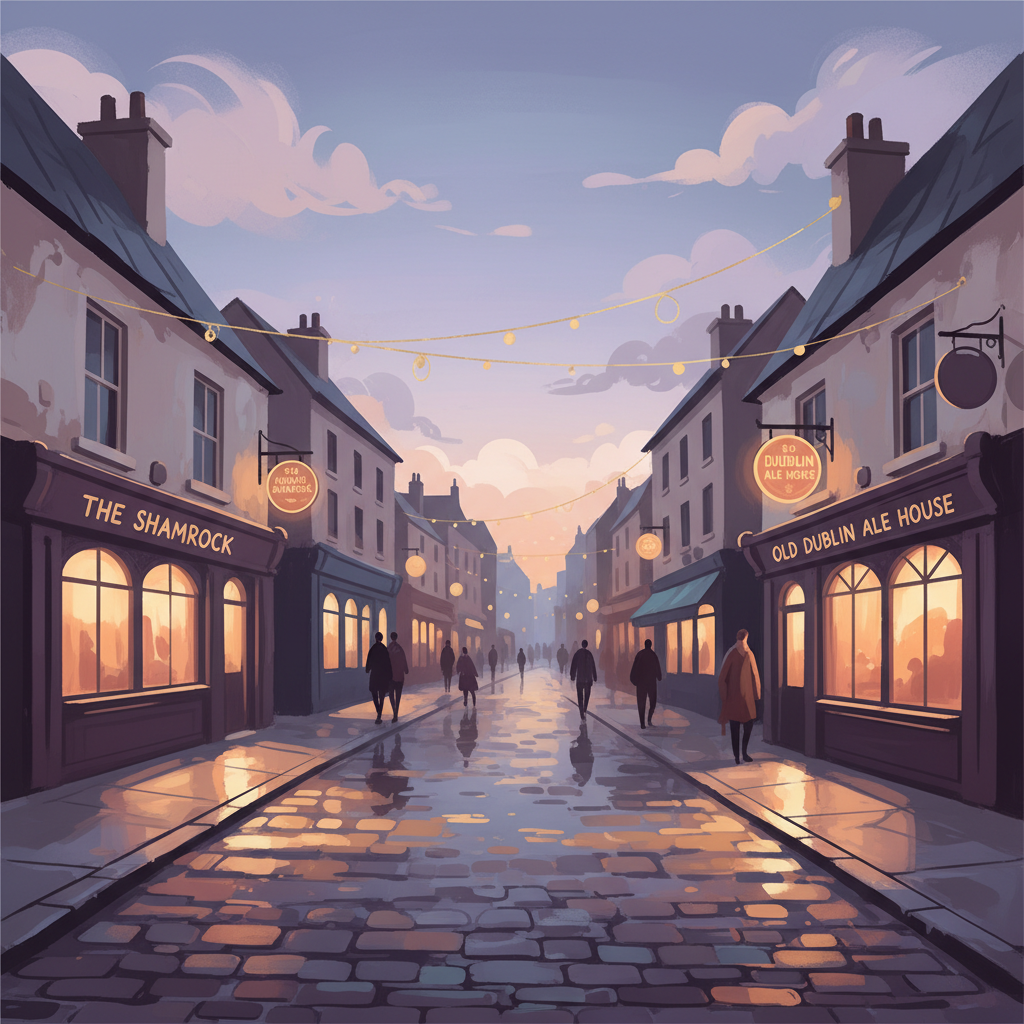
Date Safety in Ireland: A Practical Guide for First Dates
First dates should feel exciting, not stressful. Whether you are meeting someone from a dating app, through friends, or after chatting online for weeks, a little preparation can make a big difference. This guide is designed for anyone who wants clear, practical advice on date safety in Ireland without fearmongering or overcomplication.
Ireland is generally a friendly place to socialise, but personal safety still matters. Busy city centres, rural towns, late-night taxis, alcohol, and the speed of online dating all create situations where good habits protect you. Think of safety planning as confidence planning: you are not expecting the worst, you are giving yourself more control if something feels off.
Before You Meet: Build a Safety Baseline
The most important part of date safety in Ireland often happens before you leave the house. A few checks can quickly reduce risk. Our comprehensive first date safety checklist covers everything you need to prepare.
1) Verify who you are meeting
- Ask for a recent selfie or arrange a brief video call before meeting.
- Check whether their profile details stay consistent over time.
- Be cautious if they avoid simple questions (where they work generally, what area they live in, what they are looking for).
- Trust patterns, not excuses. One inconsistency can happen; repeated inconsistencies are a warning sign.
2) Choose the location yourself (or agree clearly)
- Pick a public place with staff present: a café, hotel lobby, busy restaurant, or central pub with good lighting and footfall.
- Avoid isolated parks, beach walks at night, private homes, or “let’s drive somewhere quiet” for a first meeting.
- If you are in Dublin, Cork, Galway, Limerick, or Waterford, choose a well-known area with easy transport options.
3) Tell someone your plan
- Share the person’s name/profile, venue, and expected start/end time with a trusted friend.
- Set a check-in time (for example, one hour in and when you are heading home).
- Agree a code phrase if you want your friend to call and give you an easy exit.
4) Arrange your own transport both ways
- Know how you will arrive and leave before the date starts.
- Keep your phone charged and carry a power bank if possible.
- Have enough money/data for a taxi, bus, train, or backup ride.
- Do not rely on your date for your only route home.
5) Keep first-date boundaries simple
A short first date is a smart default. Coffee or one drink gives you flexibility. If it goes well, great—you can extend it. If not, it is easier to leave. Boundaries are not rude; they are practical.
Going on a date or night out?
Schedule a safety check-in call in 30 seconds. €1.99, no app needed.
Book a CallSafe →During the Date: Stay Present and In Control
Good date safety does not require constant anxiety. It means staying aware and making small choices that keep options open.
1) Mind your drinks and pace
- Order your own drinks where possible and watch them being prepared.
- Do not leave drinks unattended.
- Pace alcohol intake, especially early on.
- If you suddenly feel unusually disoriented, get help from staff or a friend immediately. Learn more about recognizing and preventing drink spiking.
2) Keep personal details proportionate
On a first date, avoid sharing your exact home address, daily routine, or other details that make you easy to track. You can be warm and open without giving away everything.
3) Use your own phone and wallet
It sounds obvious, but in social settings people can become dependent quickly (“my phone died, can I use yours?” “can you pay and I’ll Revolut later?”). Keep your essentials with you and avoid handing over access to your devices.
4) Respect and require consent
Consent should be clear, ongoing, and freely given. No one owes physical affection because of drinks, dinner, or conversation. If someone pressures you, guilts you, or ignores your “no,” that is not awkwardness—it is a red flag.
5) Leave early if your instincts change
You never need a dramatic reason to leave. “I’m heading off now” is enough. If you feel uncomfortable, prioritise your safety over politeness every time.
Red Flags You Should Not Ignore
Most first dates are uneventful, but it helps to recognise behaviour that may escalate. In the context of date safety in Ireland, watch for these warning signs. For more detail, see our guide on spotting red flags early:
- Control disguised as charm: pushing to change venue, move somewhere private, or isolate you from crowds.
- Boundary testing: ignoring small “no’s,” touching without permission, or mocking your discomfort.
- Emotional pressure: saying you are “paranoid,” “boring,” or “dramatic” for basic safety choices.
- Aggression: sudden anger, verbal abuse, intimidating body language, property damage, or threats.
- Substance pressure: pushing more alcohol/drugs after you decline.
- Tracking behaviour: asking to “just drop you home,” insisting on your address, or repeatedly demanding your location.
If you notice these, end the date. Go to a staffed area, call a friend, and arrange safe transport home.
If Something Goes Wrong: What to Do in Ireland
No guide is complete without emergency steps. If you are in immediate danger, call emergency services right away.
- 999 and 112 both connect you to emergency services in Ireland.
- Ask for Gardaí (police), ambulance, or fire as needed.
- If you cannot speak freely, try to provide your location as clearly as possible.
- If you are in a venue, alert staff immediately—they can assist while help is on the way.
For non-emergency concerns, contact your local Garda station and report what happened. Even if you are unsure whether an incident “counts,” documenting concerning behaviour can protect you and others. If a crime occurred, preserving evidence (messages, call logs, screenshots, receipts, CCTV locations, clothing) may help an investigation.
Aftercare matters too
Safety is not only about the incident itself. If you have had a frightening experience, contact trusted friends or family and seek support services. Feeling shaken, embarrassed, angry, or numb is a normal response to stress. You do not have to handle it alone.
Practical Safety Checklist (Save This)
Use this quick checklist before every first date:
- ✅ I verified the person (at least one live check, like a video call).
- ✅ We are meeting in a public, staffed venue.
- ✅ Someone I trust has date details and check-in times.
- ✅ I have independent transport and enough battery/credit.
- ✅ I know my boundaries and have an exit plan.
- ✅ I know emergency numbers: 999 / 112.
Small habits repeated consistently are what make date safety in Ireland effective in real life.
Online Dating to Offline Meeting: A Safer Transition
Many Irish first dates start on apps. That is normal, but the move from chat to in-person meeting is where risk can increase. Keep the transition deliberate:
- Move at your pace. If someone rushes you to meet or to get private contact details, slow down.
- Keep initial conversations inside the app until trust builds.
- Watch for “too much, too soon”: intense flattery, fast emotional bonding, urgent requests.
- Never send money, gift cards, or banking details to someone you have not met and verified.
- Screenshot profile details before meeting in case the account disappears.
Being safety-aware does not make dating cold. It makes it sustainable.
Safety for Different Situations
If you are new to Ireland
If you recently moved here, take extra care with local transport and neighbourhood familiarity. Choose central meeting spots near known bus or rail links and avoid depending on someone you just met for directions late at night.
If you are LGBTQ+ dating
Choose venues where you feel socially safe as well as physically safe. Share date details with someone who understands your context. If harassment occurs, report threats or abuse to Gardaí, especially where hate-motivated behaviour may be involved.
If alcohol is part of the plan
Set a drink limit before you arrive, alternate with water, and keep your departure time in mind. Intoxication can make it harder to read danger signals and enforce boundaries.
If your date includes travel
For first meetings, avoid day trips to remote locations. Keep dates local and easy to leave independently. If you later decide to travel together, share itinerary details with someone at home.
How Friends Can Help Without Overstepping
A strong safety culture is social. If your friend is going on a first date, support them in practical ways:
- Offer a check-in call at a set time.
- Be available for a no-questions-asked pickup or phone excuse.
- Avoid shaming language if they decide to leave early or report something.
- Encourage reporting to Gardaí when there is threatening, coercive, or criminal behaviour.
Judgment keeps people silent. Support keeps people safer.
Confidence and Caution Can Coexist
Dating should still be fun. Safety planning is not about expecting harm from everyone; it is about keeping your autonomy intact while you get to know someone. The goal is simple: enjoy the date, stay in control, and know exactly what to do if something feels wrong.
When people use practical habits consistently, date safety in Ireland becomes less about fear and more about freedom. You can focus on chemistry and conversation because your basics are covered.
Take the Next Step with CallSafe
If you want an easier way to protect yourself and your loved ones on first dates, CallSafe can help. Build a routine that includes trusted contacts, check-ins, and fast escalation when plans change or something feels off. Whether your date goes brilliantly or badly, having a safety layer in place gives you peace of mind.
Ready to date smarter? Set up your safety plan with CallSafe today and make every first date more confident, connected, and secure.